

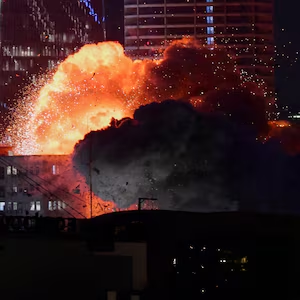
An explosion seens during a missile attact in Israel , sunday
- Israeli Strikes on Iranian Targets: Israel has reportedly carried out numerous airstrikes against Iranian military installations, arms shipments, and missile facilities in Syria and other regions. These operations aim to prevent Iran from establishing a permanent military presence near Israel’s borders.
- Iranian Response and Alleged Attacks: Iran and its allied groups, such as Hezbollah, have claimed responsibility for attacks targeting Israeli interests, including military personnel, infrastructure, and commercial vessels. Some reports indicate Iran’s involvement in cyber-attacks aimed at disrupting Israeli security systems.
- Cyber Warfare: Both nations are believed to engage in cyber operations against each other, with notable incidents involving hacking attempts, data breaches, and sabotage of critical infrastructure.
- Tensions Escalating: The situation remains volatile, with fears that ongoing attacks could escalate into broader regional conflict. Diplomatic efforts continue, but the prospect of open warfare remains a concern for international actors
International Reactions:
- Many countries call for restraint and diplomatic solutions, emphasizing the importance of avoiding further escalation.
- The United Nations and other international bodies regularly monitor the situation and advocate for de-escalation.
Conclusion:
The ongoing conflict between Iran and Israel is complex, involving military, cyber, and political dimensions. Both sides have engaged in attacks and counterattacks, contributing to regional instability. The international community continues to focus on diplomatic efforts to prevent an escalation into larger conflict.

An explosion seens during a missile attact viedo in Israel , sunday
1. Iranian Nuclear Facility Sabotage
- Over the past few years, there have been reports of mysterious explosions and sabotage at Iranian nuclear sites, including centrifuge halls and missile bases.
- Iran has blamed Israel and Western intelligence agencies for these acts, which are believed to involve covert bombings or cyber-physical attacks designed to delay Iran’s nuclear progress.
2. Explosions in Syria and Lebanon
- Several reports suggest that Israel has targeted Iranian military advisers, weapons depots, and missile facilities in Syria using airstrikes involving explosive devices.
- In Lebanon, Hezbollah has been accused of stockpiling weapons and constructing tunnels, some of which have been destroyed in Israeli operations involving explosive devices.
3. Assassinations and Bomb Attacks
- There have been targeted killings of Iranian scientists and military officials believed to be linked to Iran’s nuclear program. While not always confirmed as bomb attacks, these assassinations often involve explosive devices or car bombs.
- Conversely, Iranian-backed groups in the region have claimed responsibility for bomb attacks against Israeli or Western interests, including attacks on military and civilian targets.
4. Cyber and Explosive Device Attacks
- Both countries have engaged in cyber warfare, with some attacks involving the use of explosive devices or sabotage efforts to damage critical infrastructure.
Tensions and Security Measures
- Israel has increased its defense measures and surveillance to prevent infiltrations and attacks involving bombs.
- Iran continues to develop its missile and drone capabilities, which could potentially be used in future bomb attacks.
Conclusion
While many of these incidents remain classified or unconfirmed, the pattern of sabotage, bombings, and targeted explosions underscores the high-stakes and covert nature of the Iran-Israel conflict. Both nations continue to view each other as significant threats, leading to ongoing clandestine operations